Navigating Deep Fakes: What Consumers and Small Businesses Need to Know

Carrie Drephal
Creative Director, JCD Promotions LLC
Guest Blogger
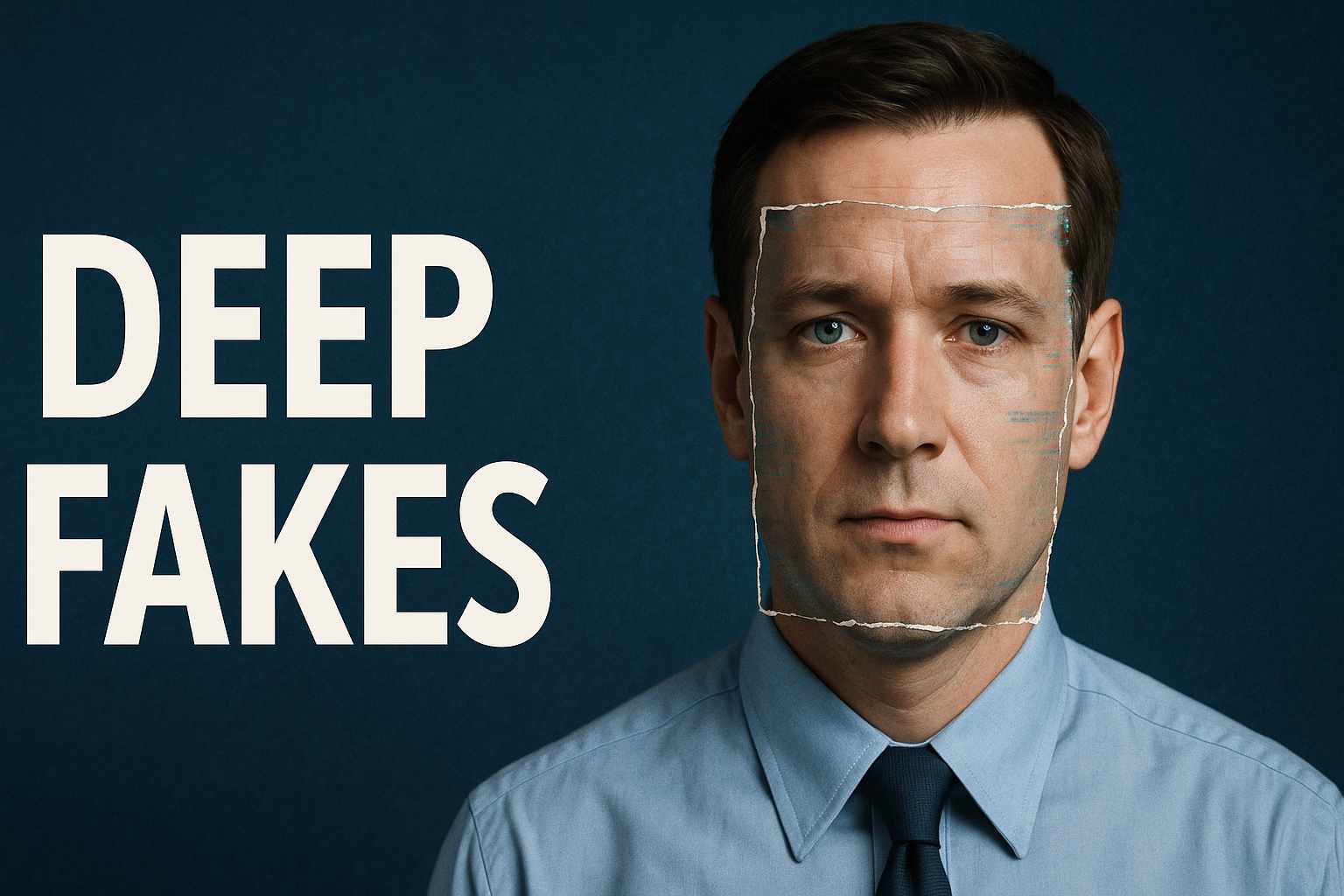
These days, technology is advancing rapidly, and one of the most talked-about developments is the rise of deep fakes. These are videos, images, or audio clips created with artificial intelligence (AI) that look incredibly real but are actually fake.
Deep fakes can fool even the keenest eyes, which is why understanding what they are, how they work, and how to protect yourself is important for everyone, especially consumers and small business owners. This article breaks things down in easy-to-understand language to help you feel confident navigating this new digital frontier.
What Are Deep Fakes?
Deep fakes are created using AI software that can manipulate or generate audio-visual content. Imagine a video that shows someone speaking words they never actually said, or an image where a person’s face is swapped onto someone else’s body.
These AI tools learn how to mimic real features in a very convincing way, making it hard to tell if something is genuine or fabricated. While this technology has some exciting uses in education and entertainment, it also opens the door to misuse by scammers, hackers, or anyone wanting to spread misinformation.
Risks for Consumers
For everyday consumers, deep fakes create new challenges. One major risk is that deep fakes can spread false information quickly. One example of a deep fake is a fake video of a public figure making controversial statements. This can cause confusion, panic, or mistrust in the news and social media.
Deep fakes are also used in scams, where someone might impersonate a family member or friend to trick you into sending money or revealing private details. Identity theft is another concern; cybercriminals could create fake audio or video to trick financial institutions or service providers.
Because deep fakes are so convincing, it means you must be extra careful about what you trust online. Don’t immediately believe sensational video or audio clips until you verify where they came from and whether reputable sources confirm the information.
Getting into the habit of questioning content and double-checking facts can protect you and those around you.
Risks for Small Businesses
Small businesses and nonprofits face unique threats from deep fakes as well. Imagine a deep fake video appearing online of a company owner making inappropriate comments or false promises.
Even if untrue, it can damage the company’s reputation overnight. Customers may lose trust, and the negative impact could be costly and hard to fix.
There’s also the risk of scams where fraudsters impersonate business leaders through audio or video messages, asking employees to transfer funds or share confidential information. Since small businesses often have smaller security teams, they can be more vulnerable targets.
Moreover, deep fakes could be used to disrupt partnerships or negotiations by spreading false information or fake communications, causing confusion and lost opportunities. Protecting your business’s reputation and assets means being aware of these risks and having plans to verify communications before acting.
How to Spot Deep Fakes
Though convincing, deep fakes often have telltale signs you can learn to recognize:
- Look closely at facial movements. Do they seem unnatural, stiff, or out of sync with speech? Genuine videos usually capture subtle expressions.
- Pay attention to blinking. Deep fakes sometimes have irregular or absent blinking.
- Listen for audio inconsistencies such as odd tone, strange pacing, or mismatched lip movements.
- Examine lighting and shadows. Do they look realistic, or are there odd highlights or mismatches?
- Check for glitches or rough edges around the face, especially when the video moves.
- Compare the media with known authentic sources to see if content matches.
There are also free and paid tools available that specialize in detecting deep fakes by analyzing videos or images for signs of manipulation.
Websites like Deepware Scanner or Microsoft’s Video Authenticator can be helpful, but keep in mind that no single tool is perfect. Always combine tools with careful observation.
Tips for verifying suspicious content:
- Use reverse image searches to track where a picture or video first appeared.
- Cross-check facts using reputable news outlets or official sources.
- Ask trusted friends or colleagues if they’ve seen the content or have insights.
- Avoid sharing or reposting content that seems unusual until verified.
What to Do If You Suspect a Deep Fake
If you come across media that you believe is a deep fake, here’s what you should do:
- Avoid sharing it immediately to prevent spreading misinformation.
- Report the suspicious content to the platform hosting it (e.g., Facebook, Twitter, YouTube). Most platforms have policies and teams to review fake media.
- Inform friends, family, or employees about the potential fake, to help prevent panic or confusion.
- For small businesses, have an internal plan for verifying communications, especially involving financial or sensitive requests.
- Work with legal or PR professionals if a deep fake impacts your business reputation.
Conclusion
Deep fakes are an evolving challenge that requires vigilance from both consumers and small businesses. By understanding what deep fakes are and how they can be used to spread misinformation or scams, you’re better prepared to protect yourself and your business.
Always take the time to carefully check and verify videos, images, and audio content before trusting or sharing. Developing a habit of skepticism and utilizing available tools to identify manipulated media will help you stay safe in today’s rapidly evolving digital world.
Remember: Staying informed and proactive is your strongest defense against the risks posed by deep fakes.
Recent Posts

Not sure where to start?
Fill in the form to view and download any of our business checklists with helpful links!